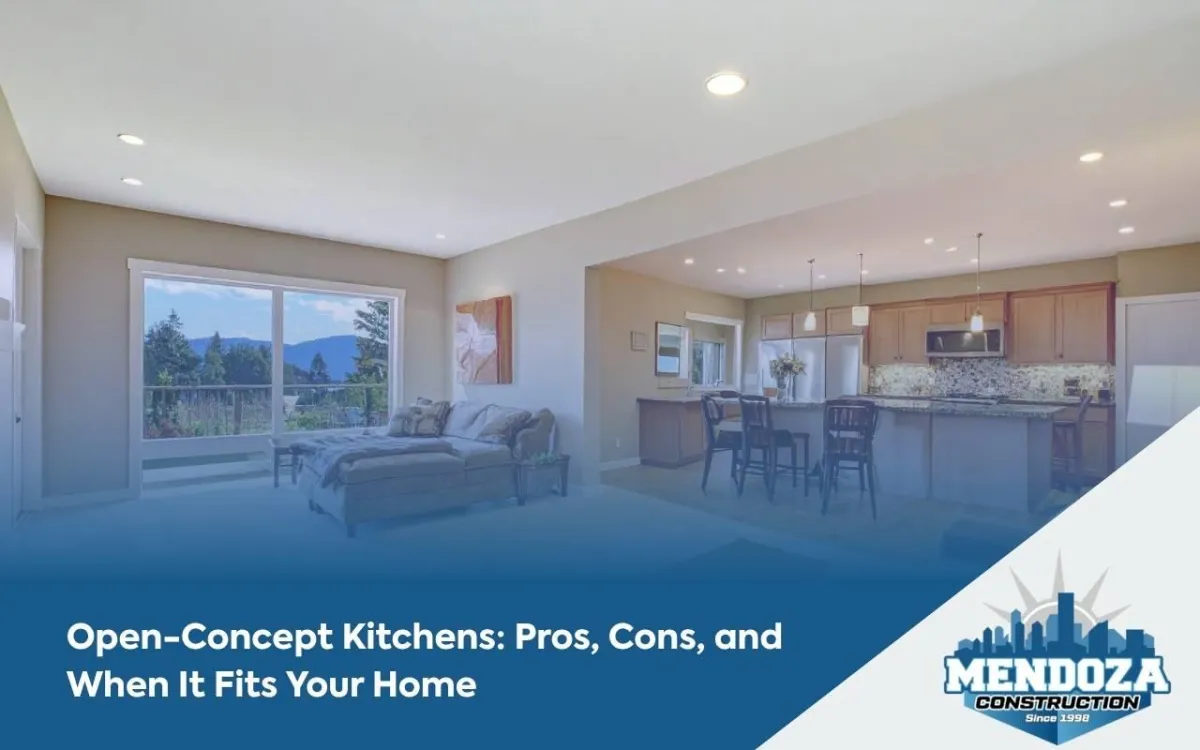
Open-Concept Kitchens: Pros, Cons, and When It Fits Your Home
There is a special charm in preparing meals while enjoying conversations with family and friends. Open-concept kitchens turn this idea into reality by creating a warm and inviting hub. Yet, before committing to this trend, it is important to weigh the benefits and drawbacks of this design with care. While this layout may seem appealing, homeowners must also consider practicality, noise, and lifestyle needs.
Pros of Open-Concept Kitchens
An open layout brings unity across the cooking, dining, and living zones. Families can interact easily without barriers. Increased light, smoother traffic, and a modern atmosphere are frequently cited benefits. Additionally, removing walls often boosts design flexibility and furniture arrangement options.
Seamless flow between rooms for better family connection
Improved access to natural light and airflow
Modern, spacious feel with enhanced décor flexibility
For those planning kitchen renovations and remodeling, the open concept is often a top choice because of these advantages.
Cons of Open-Concept Kitchens
A key drawback is reduced privacy. Noise from appliances, television, and conversations travels without barriers. In addition, odors and cooking mess are always visible. Renovating kitchens for this layout may involve structural challenges, including costly wall removal.
Noise travels freely, impacting focus and relaxation
Cooking smells and clutter are always exposed
Renovations may require major structural changes
Before starting a project, reflect on whether these disadvantages align with your lifestyle. Understanding the trade-offs of an open-concept kitchen ensures better decision-making.
Enhancing Social Interaction
One of the strongest benefits of this design is improved social connection. Guests can chat while meals are being prepared, and family members can engage across multiple tasks. The kitchen transforms into a lively, central hub.
Impact on Natural Light
Open layouts increase natural light flow by removing walls that block windows. More sunlight reduces the need for artificial lighting and boosts overall home energy. Skylights and larger windows can maximize this effect during remodeling projects.
Design Versatility
Flexibility is another highlight of open-concept kitchens. Continuous flooring, unified cabinetry, and complementary color schemes allow cohesive style across spaces. Furniture can serve multiple purposes, such as a kitchen island doubling as a casual dining spot or workspace.
Noise Considerations
Sound easily travels in open spaces, from clattering dishes to family chatter. Acoustic solutions, such as rugs, upholstered seating, and soft-close drawers, help minimize echo. Thoughtful material selection can make an open kitchen lively without overwhelming the rest of the home.
Privacy Concerns
With an open design, daily mess and activity are always visible. For some, this reduces comfort. Sliding panels or half-walls can provide separation while maintaining a sense of openness.
Storage Solutions
Since traditional pantries are less common, storage must be creative. Tall cabinets, hidden benches, and smart drawer systems ensure efficient organization. Cabinet upgrades can add more functionality and simplify daily routines.
Adapting the Layout to Your Lifestyle
Each household has unique needs. Entertainers may prefer openness, while others might want partial separation. Flexible solutions like modular islands and mobile carts ensure the design adapts over time.
FAQs About Open-Concept Kitchens
Do open-concept kitchens increase home value?
Yes, they can make homes more appealing to buyers by creating spacious and modern interiors.
How can I manage noise in an open-concept kitchen?
Use rugs, upholstered seating, and acoustic materials to reduce echo and control sound transmission.
What design styles work with open-concept layouts?
Almost all—from rustic farmhouse to modern minimalist. Consistency in flooring and finishes ensures balance.
Can I add privacy to an open-concept kitchen?
Yes, with movable dividers, glass panels, or sliding partitions, you can create flexible privacy options.
How do I know if an open-concept kitchen suits me?
Think about your lifestyle. Compare different layout styles to your daily needs and preferences.
Is an Open-Concept Kitchen Right for You?
Deciding on this design comes down to personal lifestyle. While it fosters social interaction and natural light, it may limit privacy and storage. With thoughtful planning, you can create a kitchen that feels both functional and welcoming. If you’re ready to start, reach out to our remodeling team today to discuss your goals and discover the perfect layout for your home.
