

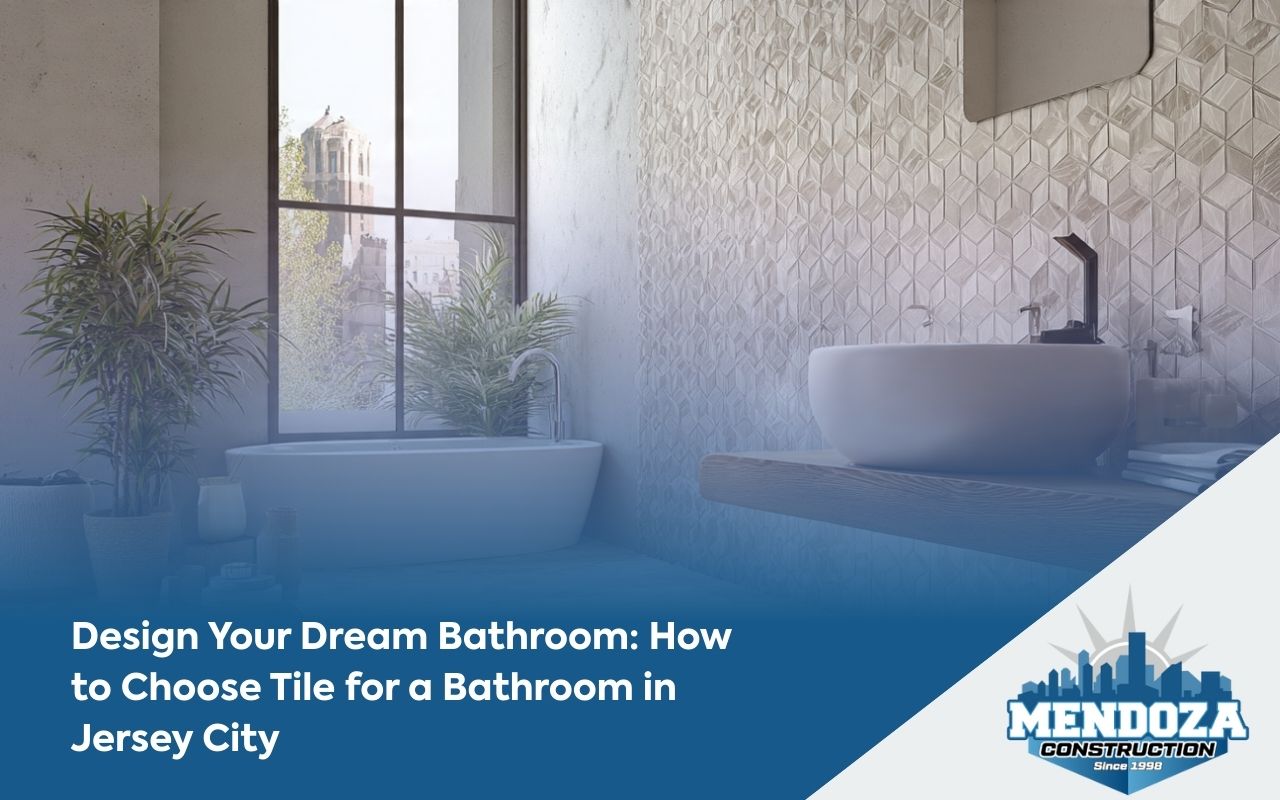
Design Your Dream Bathroom: How to Choose Tile for a Bathroom in Jersey City
Bathroom renovation can feel exciting and a bit challenging. Still, it often starts with one key choice: tile. If you live in Jersey City, the options can feel endless. However, once you understand porcelain vs. ceramic, the decision gets much easier.
As you learn how to choose tile for a bathroom in Jersey City, look beyond color and pattern. For example, grout choices affect cleaning and contrast. In addition, waterproofing protects your home and helps your tile last. This guide keeps style and function in balance.
Porcelain vs. Ceramic: What’s the Real Difference?
Porcelain and ceramic both start with clay. However, they perform differently. Porcelain is fired at higher heat, so it is denser and less porous. As a result, it handles water and wear very well. Ceramic is often glazed for color and design, so it can still look amazing.
When you compare porcelain vs. ceramic, consider your bathroom’s moisture and traffic. Porcelain fits damp, high-use floors. Meanwhile, ceramic can work well on walls or lower-traffic areas. That’s why, when thinking about how to choose tile for a bathroom in Jersey City, you should match the tile to the space.
Choose porcelain for floors, showers, and heavy moisture zones.
Choose ceramic for walls, accents, and lighter-use areas.
Balance durability and upkeep for the best long-term result.
Selecting the Right Tile Size and Shape
Tile size changes how your bathroom feels. Large tiles can make small rooms look bigger because they reduce grout lines. On the other hand, mosaics add texture and grip, especially on shower floors. Classic squares and rectangles fit most styles, while hexagon or subway shapes add personality.
To improve the layout, match shape to room proportions. For instance, long tiles placed horizontally can make narrow rooms look wider. Also, vertical layouts can make ceilings feel taller. While mixing sizes can add a focal point, consistency keeps the look calm.
Large-format tiles: fewer grout lines and a more open look.
Mosaics: better traction and great for shower floors.
Subway or hex tiles: strong style impact with simple patterns.
Tile Finishes That Match Your Style
Finish affects both look and safety. Glossy tiles reflect light, so they help brighten darker bathrooms. However, they can show water spots and feel slippery when wet. Matte finishes feel softer and often hide smudges better. In addition, textured finishes add grip and character.
For a layered design, combine finishes with intention. For example, use matte tiles on floors for traction. Then, use glossy tiles on walls for shine and depth. This approach supports style while keeping daily use simple.
Glossy: bright and modern, yet higher upkeep.
Matte: subtle, calm, and often safer underfoot.
Textured: more grip and a natural, crafted feel.
Grout Choices That Support Your Design
Grout can quietly blend in or stand out on purpose. Light grout creates a smooth, seamless look. As a result, it can make small bathrooms feel larger. Dark grout highlights each tile and adds bold contrast. Beyond color, grout type matters in wet areas.
Epoxy grout resists stains and moisture, so it is great near tubs and showers. Cement-based grout can be easier to work with, yet it often needs sealing. When planning how to choose tile for a bathroom in Jersey City, grout choices should match your cleaning routine and the room’s moisture levels.
Waterproofing That Protects Your Bathroom
Waterproofing is a must in bathrooms. Moisture can seep behind tile and damage walls or floors over time. Therefore, a proper moisture barrier, backer board, or waterproof membrane helps prevent mold and structural issues. This step supports the life of your installation.
Porcelain works well in wet spaces, yet waterproofing still matters. Sealed grout joints add another layer of defense. In many cases, contractors apply a liquid membrane before tile goes in. This extra care keeps your bathroom strong for years.
Slip Resistance and Safety Features
Bathrooms get wet, so safety matters. Floor tiles often come with slip ratings, and textured surfaces can help reduce risk. Also, mosaic tiles can improve grip because grout lines add traction. For that reason, glossy tiles are often better on walls than floors.
If kids or older adults use the space, choose tiles made for wet zones. You can also add small safety supports like non-slip mats in high-traffic areas. A safe floor can still look stylish.
Designing Around Your Personal Style
Your bathroom should feel like you. Neutral tones create a timeless base, so you can change towels and decor later. Meanwhile, accent tiles in niches or borders add personality without taking over the room. Patterns like herringbone or chevron also bring movement and energy.
To keep things cohesive, match tile style with fixtures and hardware. Cool tones often pair well with brushed nickel. Warmer tiles can look great with brass. With smart choices, you get a bathroom that feels both fresh and personal.
Budgeting for Tile Without Cutting Corners
A clear budget makes tile planning easier. Start by measuring floors and walls. Then, account for extra materials like grout, underlayment, and waterproofing. Also, installation labor can vary, so comparing local quotes helps you plan with confidence.
To protect long-term value, focus quality spending in wet areas. Durable materials and better grout can reduce repairs later. In addition, keep a small buffer for breakage or surprises during installation.
When to Bring in a Professional
DIY can be tempting. However, a skilled installer helps with prep, waterproofing, and clean lines. They also understand local code needs in Jersey City. As a result, you reduce the risk of costly mistakes and uneven layouts.
If you want support with planning or installation, explore your options through construction and remodeling services in Jersey City. When you are ready to discuss your bathroom goals, you can also contact Mendoza Construction Corp to talk through next steps.
Frequently Asked Questions
How to choose tile for a bathroom in Jersey City if my bathroom is small?
Use larger tiles to reduce grout lines and make the space feel bigger. Also, keep the layout consistent for a cleaner look.
Porcelain vs. ceramic: which is better for shower floors?
Porcelain is often better because it absorbs less water. However, mosaics can also help because they add traction.
What grout choices work best in wet areas?
Epoxy grout is highly water- and stain-resistant. Cement grout can work too, but it usually needs sealing and regular care.
Do I really need waterproofing behind tile?
Yes. Tile and grout are not fully waterproof on their own. A membrane or moisture barrier helps prevent mold and damage.
How can I improve slip resistance without losing style?
Choose matte or textured floor tiles. In addition, mosaic tiles in showers add grip because of the extra grout lines.
Bring Your Bathroom Vision to Life
To sum it up, how to choose tile for a bathroom in Jersey City comes down to smart planning. Compare porcelain vs. ceramic, pick finishes with care, and think through grout choices. Also, prioritize waterproofing so your investment lasts.
When style, safety, and layout work together, the result feels effortless. With the right materials and a clear plan, you can build a bathroom that looks great and handles daily life with ease.